Senior dog supplies
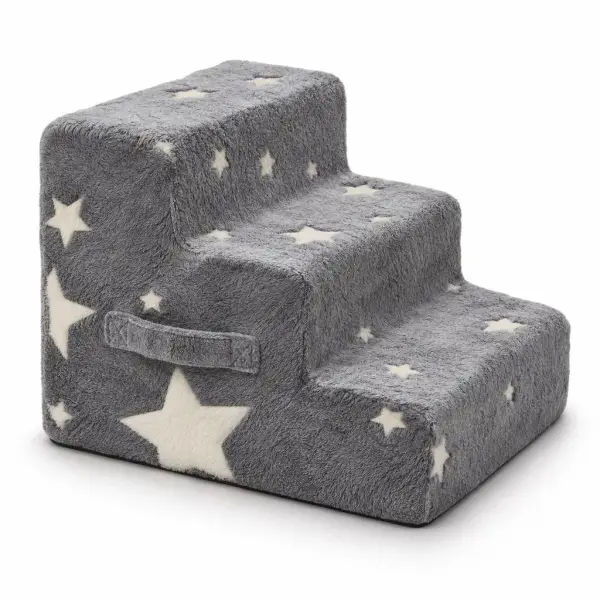
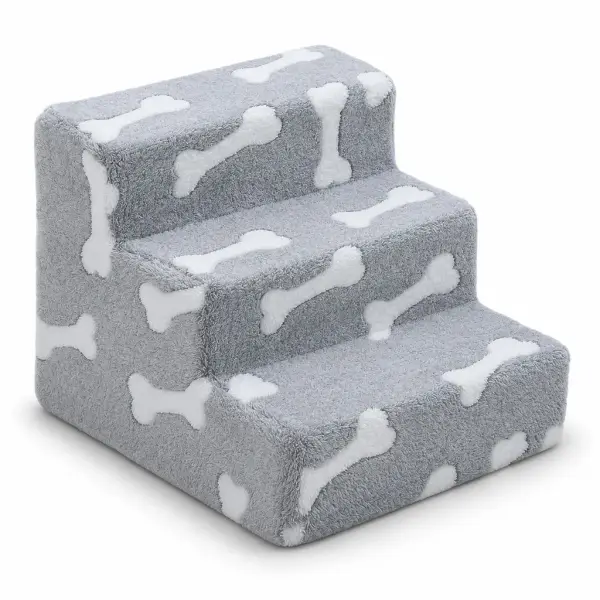
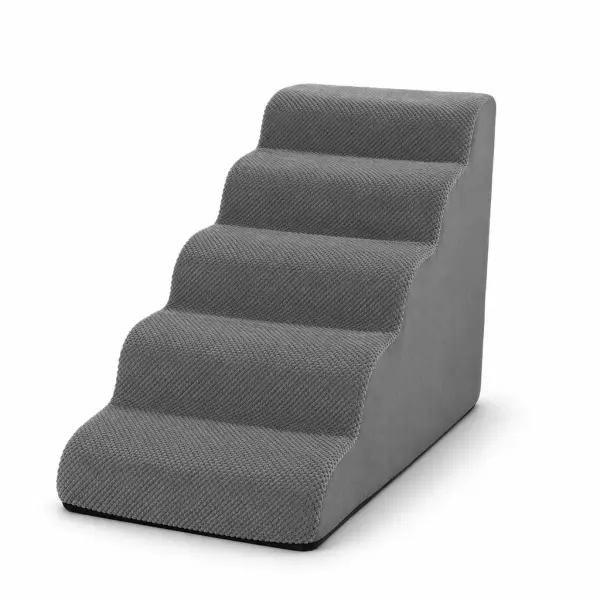
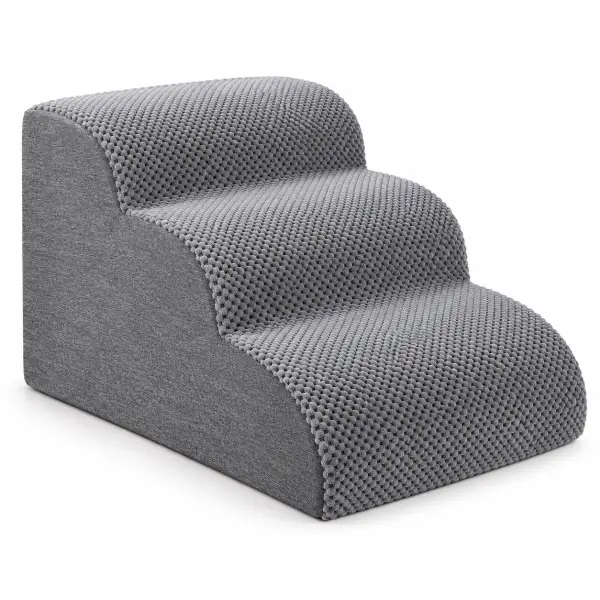
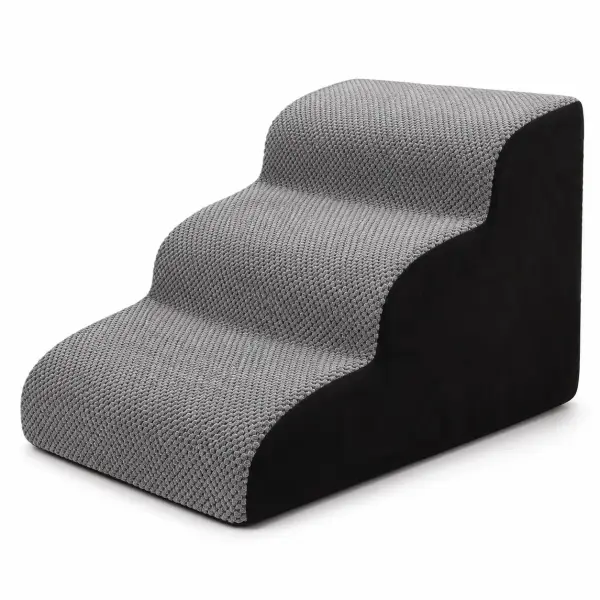
Stairs for dogs are often the first help when, over the years, the sofa gets higher and the floor gets harder. For older dogs we’ve put together what makes everyday life gentler: stairs and a ramp instead of jumping, soft resting places with sides and a blanket that reflects their own warmth back.
What older dogs need
Older dogs sleep more, feel the cold sooner and move more cautiously. Many no longer jump onto the sofa or bed as a matter of course, get up more slowly or look for warm spots. With a few adjustments at home you can make this stage easier for your dog. Changes in gait, appetite or behavior should always be checked by a vet, as our products are no substitute for treatment.
Gently upwards: stairs and ramp
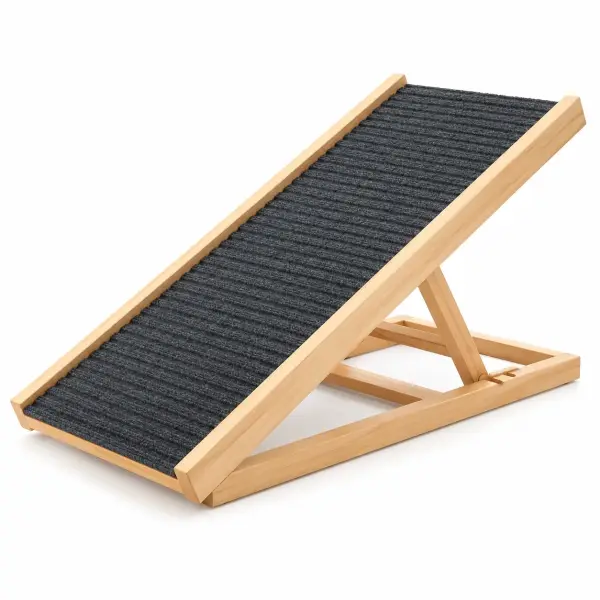
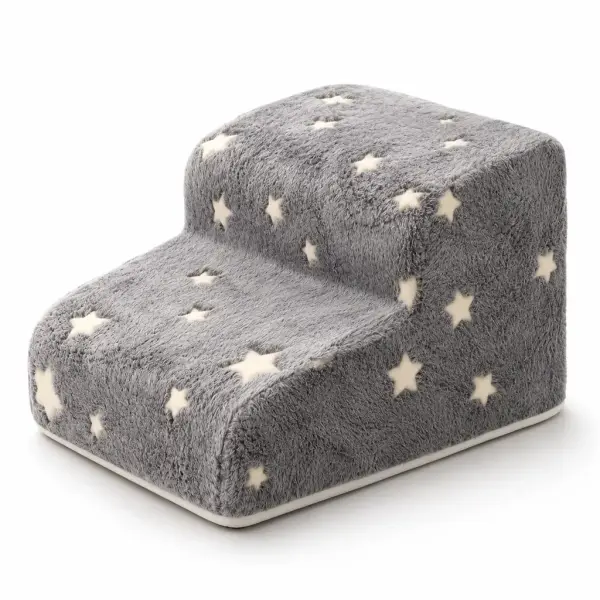
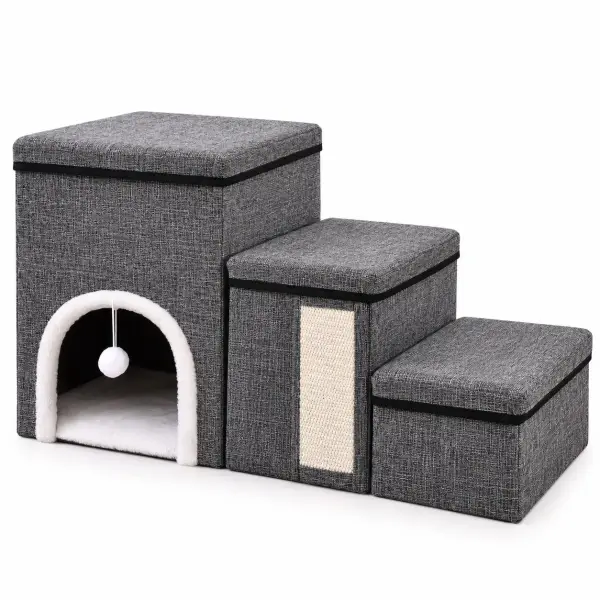
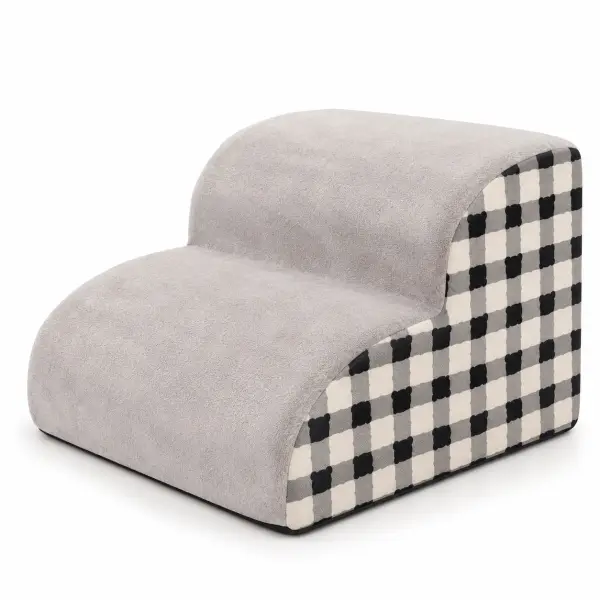
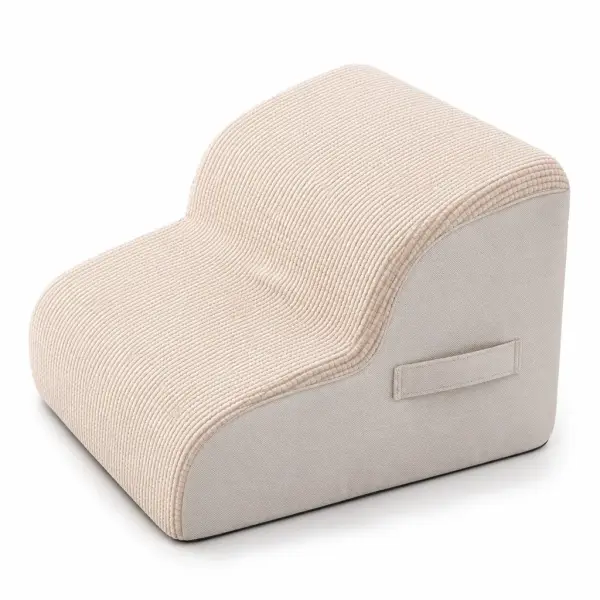
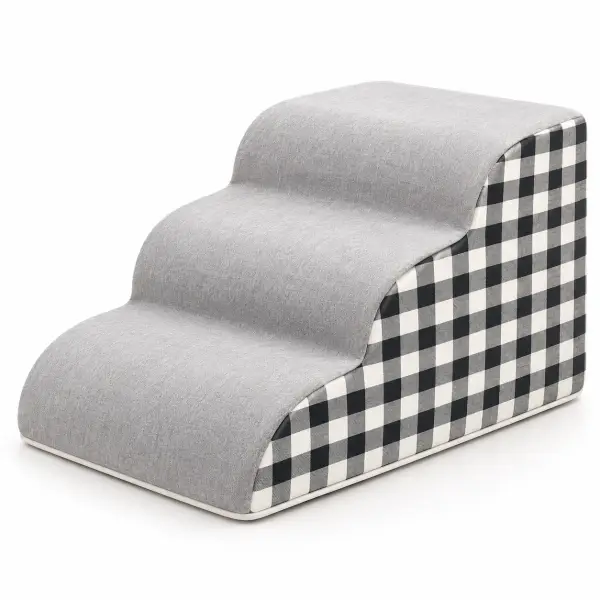
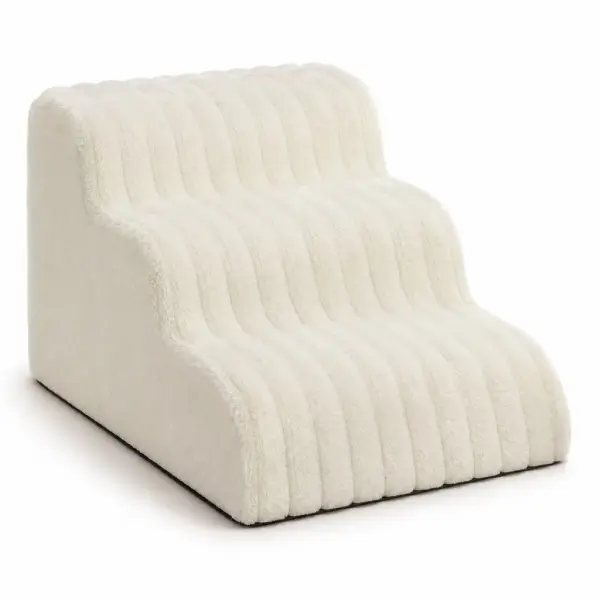
If your dog is still to lie with you on the sofa or in bed, stairs or a ramp are the kinder solution. Our foam stairs with 2 or 3 steps have a non-slip underside and a washable cover; the 3-step ones are about 35 cm high. The foldable wooden dog ramp has an adjustable slope and needs no steps, which is ideal when every step is an effort. You’ll find more in our dog stairs & ramps category.
Lying soft
Older dogs lie in one place for a long time. A bed with a firm core and a low entry makes lying down and getting up easier:
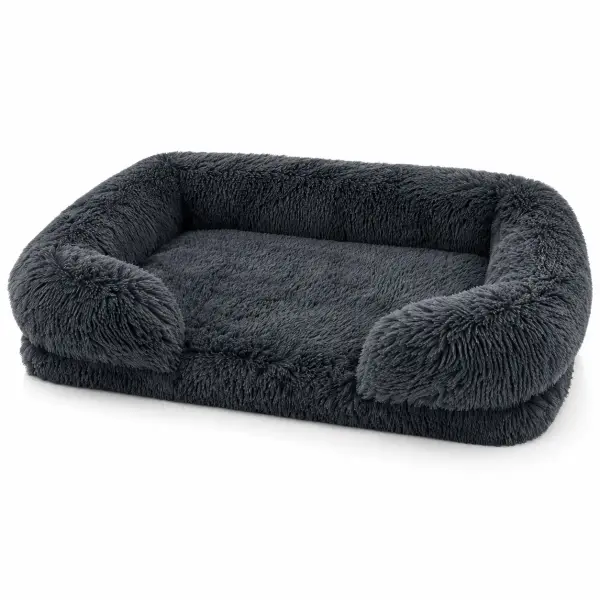
- Dog sofa with studded foam insert: padded bolster on three sides as a headrest, low entry at the front, sizes up to about 45 kg.
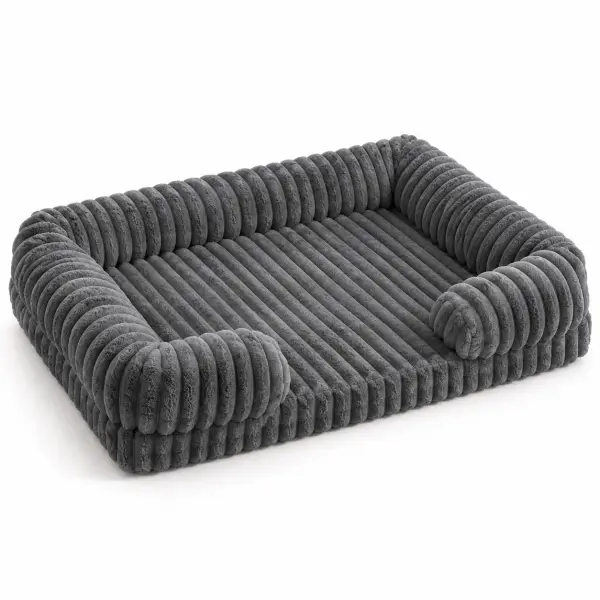
- Corduroy-look dog bed: also with a studded foam insert and a low entry.
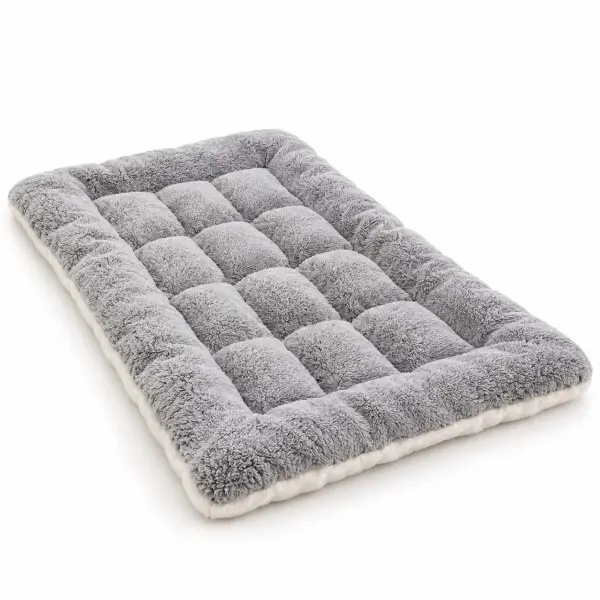
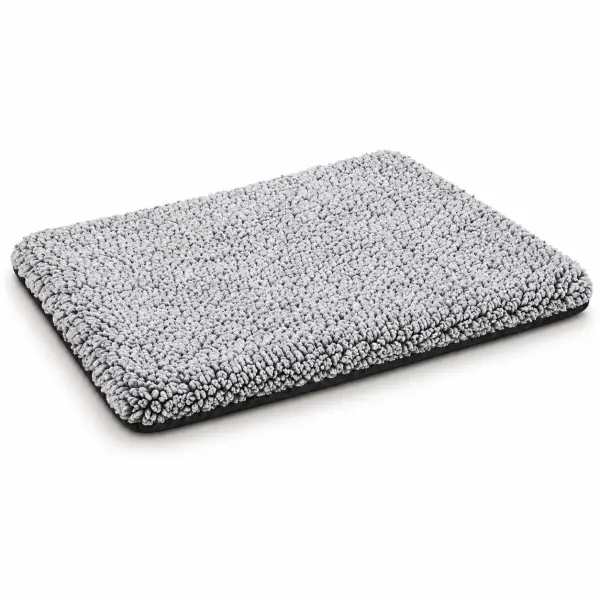
- Large quilted dog cushion: plenty of room to stretch out and a padded edge for head and back.
The right place to sleep
Put the bed where your older dog can get to without stairs and still be part of family life. Draughts, cold tiles and spots right next to the front door are less suitable. Many seniors appreciate two resting places: one in the living room by day and one close to you at night.
Warmth without electricity
The thermal blanket has a reflective inner layer that holds in your dog’s body heat, with no cable and no electricity. It is light and flat and fits in a crate, cart or on the sofa; it comes in five sizes from S (45 × 30 cm) to XXL (90 × 60 cm).
How to tell your dog needs support
- He hesitates before jumping onto the sofa or takes several run-ups.
- He stays sitting by the bed at night, waiting for you to lift him up.
- Getting up after sleeping takes longer than it used to.
- He keeps looking for warm spots or lies tightly curled up.
Signs like these are a good reason to book an appointment at the vet’s, and to adapt your home a little.
The right stairs for your furniture
Measure the height of the sofa or bed. The 3-step stairs are about 35 cm high, the 2-step ones about 30 cm. If the bed is much higher, the ramp with adjustable slope gives you more room to manoeuvre. Always place the stairs or ramp firmly against the furniture so that no gap is left.
Small helps in everyday life
- Lay runners on smooth floors so that your dog stands more securely.
- Place the bed away from draughts and where your dog doesn’t have to climb steps.
- Shorter but more frequent walks are more comfortable for many older dogs.
You’ll find more beds and blankets in the dog beds and dog sofas.
FAQs about Senior dog supplies
When is a dog considered a senior?
It depends on size and breed: large dogs age sooner than small ones. Look less at age than at whether your dog hesitates to jump, gets up more slowly or feels the cold sooner.
Stairs or a ramp for an older dog?
A ramp needs no steps and is especially gentle, but takes up more space. Stairs are more compact. If your dog has joint problems, also ask your vet.
How does the thermal blanket work?
A reflective inner layer holds in your dog's body heat and gives it back. No electricity or batteries are needed.
Are the beds orthopaedic?
We don't describe our beds as orthopaedic. The sofa and the corduroy bed have a studded foam insert that gives a firmer lying core than plain fiber filling.
My older dog is afraid of the stairs. What can I do?
Practise calmly with treats on the steps, guide him step by step and praise him. Going down should be practised too.