Cardboard cat scratcher
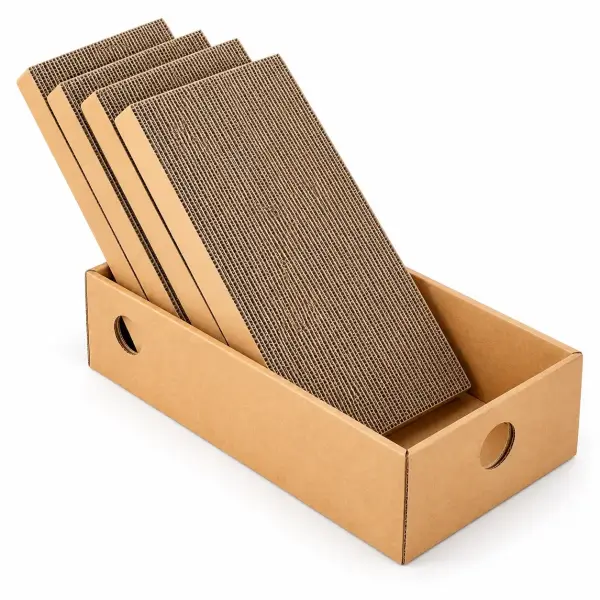
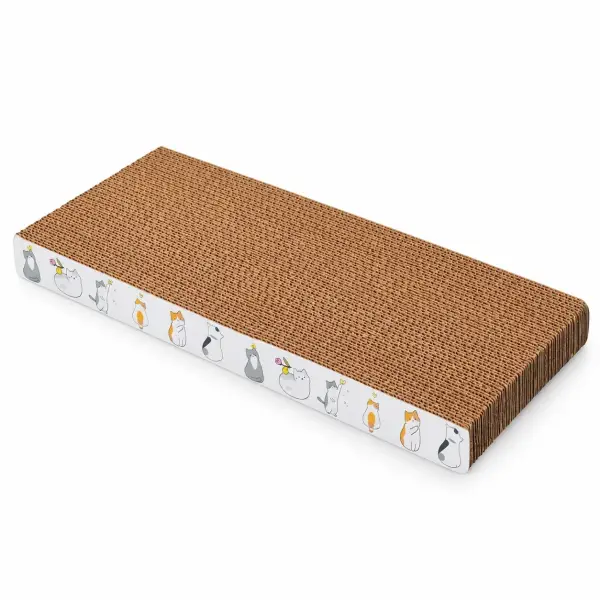
A cat scratching board protects your sofa exactly where it’s needed: at your cat’s favorite spot. Our cardboard scratchers made of dense corrugated cardboard invite horizontal scratching and then a doze, and the wall-mounted scratching post offers a full-length vertical scratching surface.
Scratch vertically or horizontally?
Cats don’t just scratch to look after their claws. They stretch their back and shoulders as they do it and leave their scent through glands on their paws. Some cats stretch up high for this, others prefer to scratch flat on the floor, which the carpet often gives away. Watch where and how your cat scratches, and offer an alternative right there.
Our scratching boards at a glance
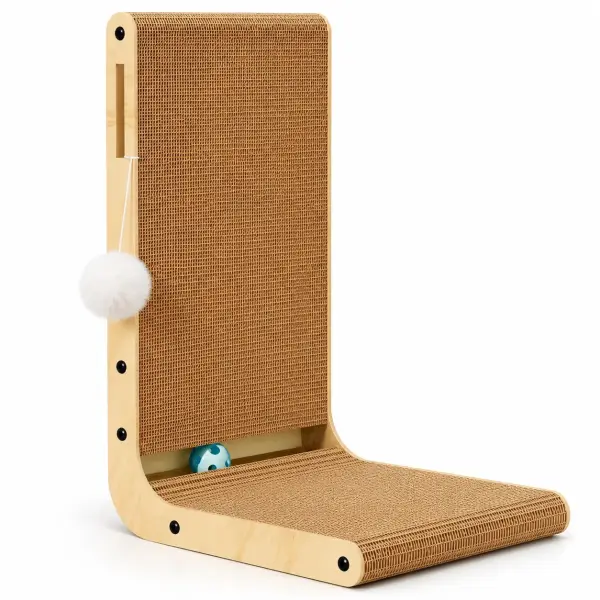
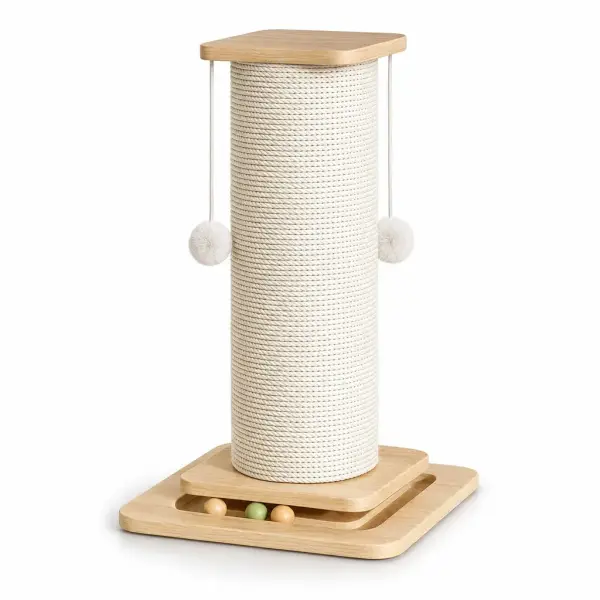
- L-shaped scratching board with ball track: vertical and horizontal scratching in one, with jingle balls and a pom-pom for play. Set up as a bridge it makes four surfaces for scratching and hiding. Available in small and large, with a 4 cm thick corrugated cardboard core.
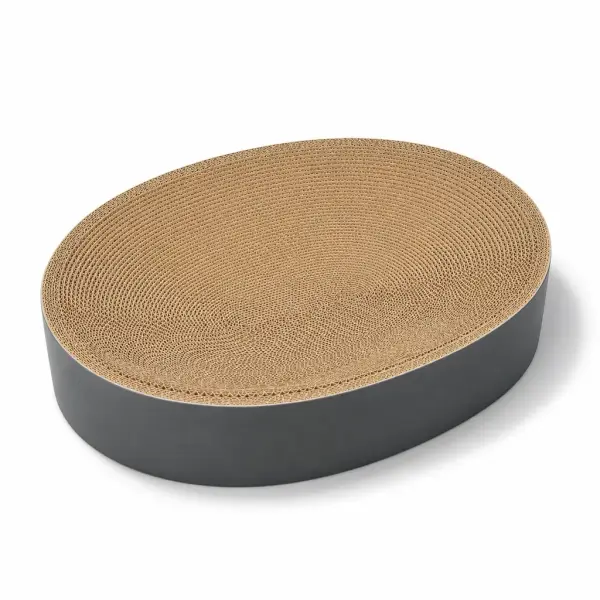
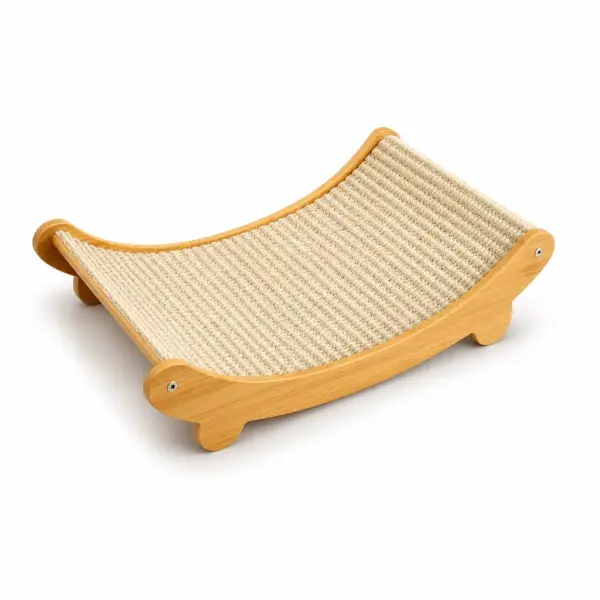
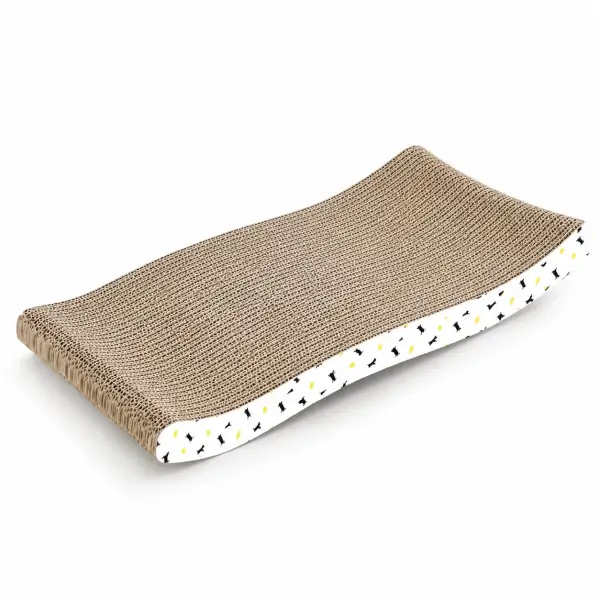
- Wave-shaped cardboard scratcher: The curved shape invites scratching, stretching and snuggling in, and is light enough for a windowsill or sofa corner.
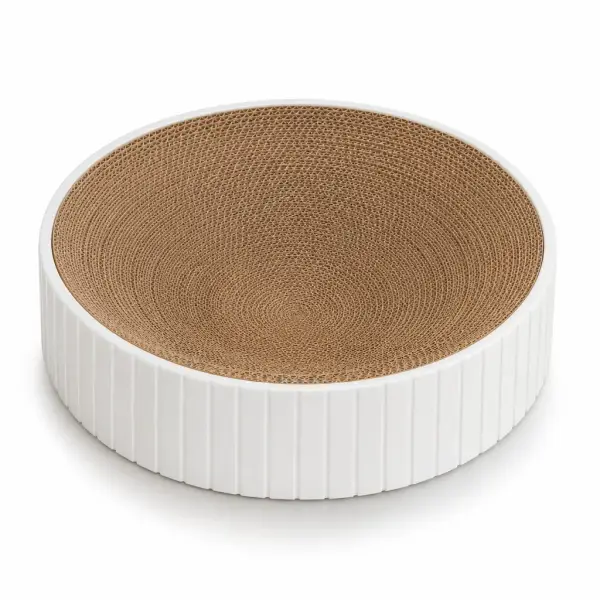
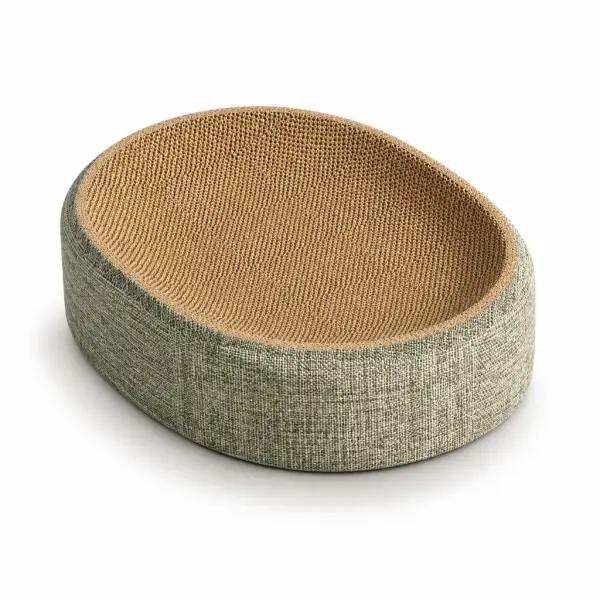
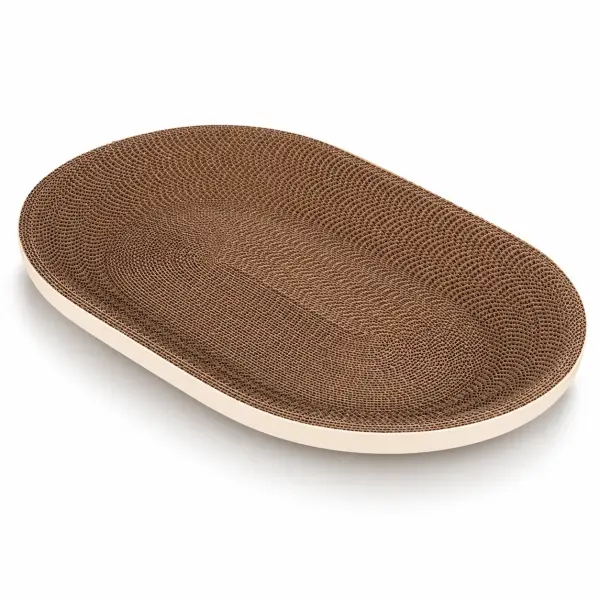
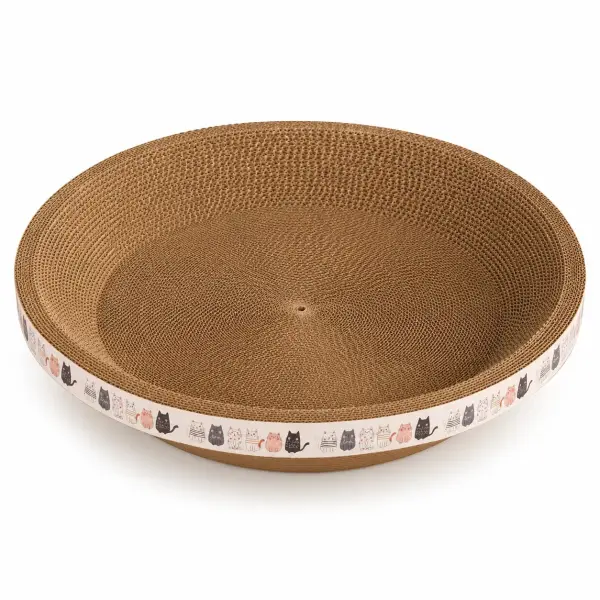
- Round scratching nest: a hollow with a rim made of multi-layer corrugated cardboard, Ø 35 cm and 8 cm high, with catnip for first contact.
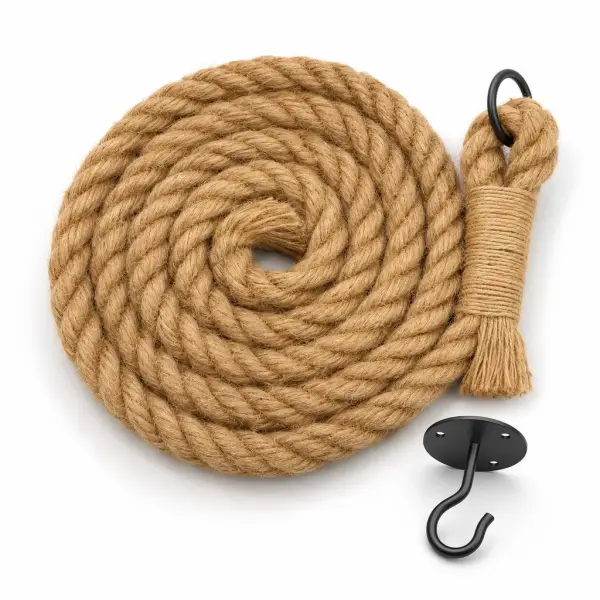
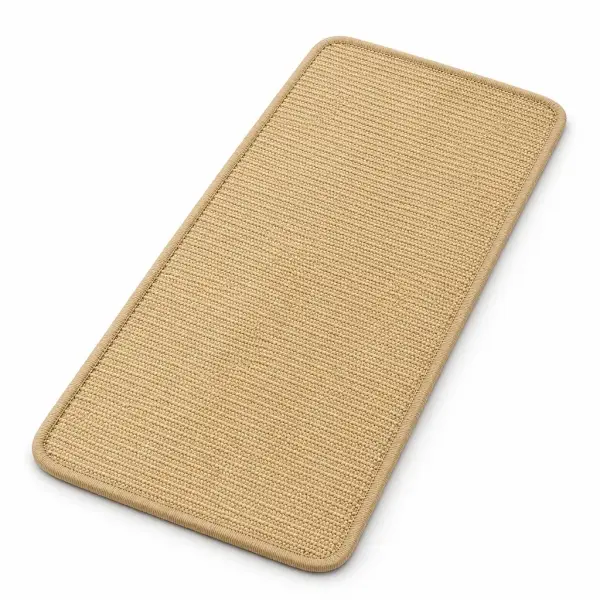
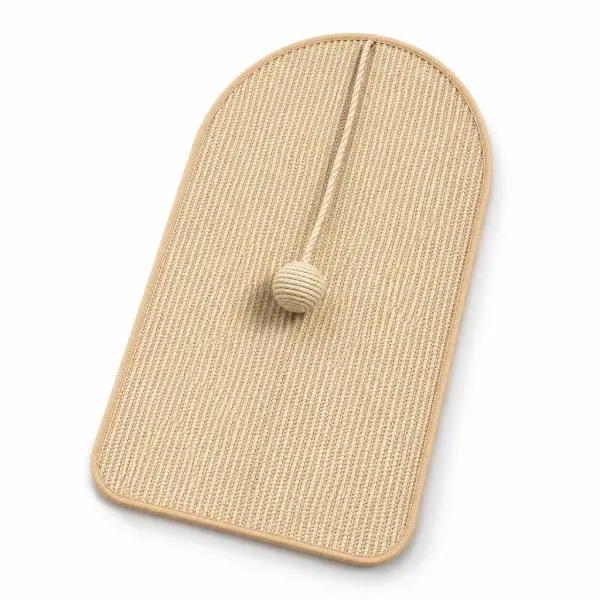
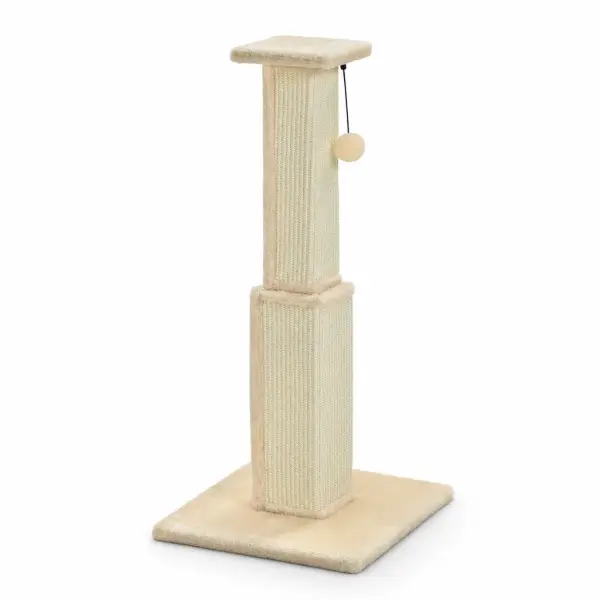
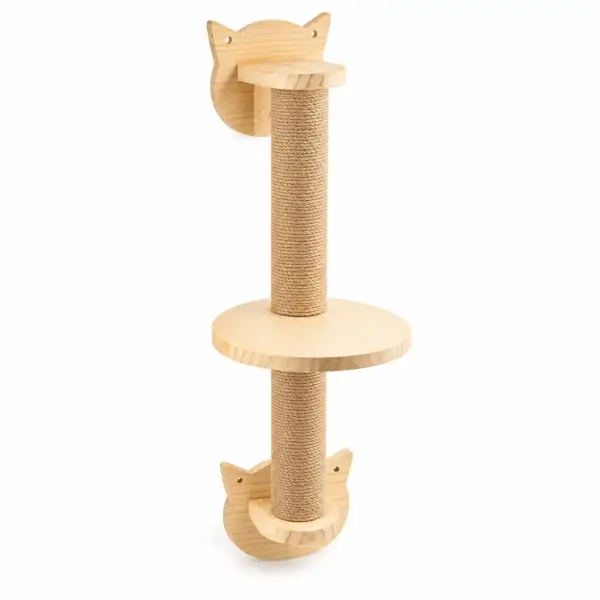
- Wooden wall-mounted scratching post: sisal for a full-length stretch, a round wooden plate to sit on, and the floor stays free.
Which scratching board for which cat?
For young and playful cats
The L-shaped scratching board combines scratching with play: the ball track with jingle balls keeps your cat busy even when nobody has time for the feather wand. Set up as a bridge it becomes a little hideout from which she can lurk beautifully.
For connoisseurs and long sleepers
Many cats like to lie down in the cardboard right after scratching. The wave shape and the round scratching nest are therefore a resting place as well, ideal on the windowsill, in the sofa corner or next to the radiator.
For cats that stretch out long
If your cat rears up against the arm of the sofa when scratching, she needs height. Here the wall-mounted scratching post is the right choice, complemented by a cat tree with long sisal posts.
Several scratching spots instead of one
Cats mark their territory by scratching, preferably at important places: at the entrance to the living room, next to the sleeping place, near the door. Several small scratching spots around the home are therefore often more effective than a single large one. Cardboard scratchers are light and cheap enough to spread around in two or three places.
The right place
Scratching boards work best right next to the place where your cat has been scratching, for example in front of the sofa corner or at the edge of the carpet. Many cats also like to scratch after waking up, so a scratching board next to the sleeping place is often accepted quickly. Once the new ritual has settled in, you can gradually move it a little further.
Care and lifespan
Corrugated cardboard is a consumable: over time small fibers come loose, which you simply vacuum up. When the surface is heavily worn, it’s time for a replacement. Sisal surfaces last longer and can also be vacuumed.
Scratching is natural behavior and should never be punished. Redirect it instead and praise your cat when she uses the scratching board.
A scratching board complements the cat tree but doesn’t replace it. For climbing routes up high, take a look at our climbing walls and wall furniture.
FAQs about Cardboard cat scratcher
Is a scratching board enough instead of a cat tree?
For scratching at floor level yes, but cats also want to climb and lie up high. A scratching board is therefore a good addition to the cat tree.
How do I get my cat used to the cardboard scratcher?
Put it right at the existing scratching spot and tempt her with play. The round scratching nest comes with catnip, which makes many cats curious.
Does corrugated cardboard crumble?
Small fibers come loose when scratching, which you simply vacuum up. That's normal and shows that the cardboard scratcher is being used.
Which size of the L-shaped scratching board is right?
The small version fits well into tight corners, and the large one offers more surface for large cats or two cats. You'll find the dimensions on the product page.